
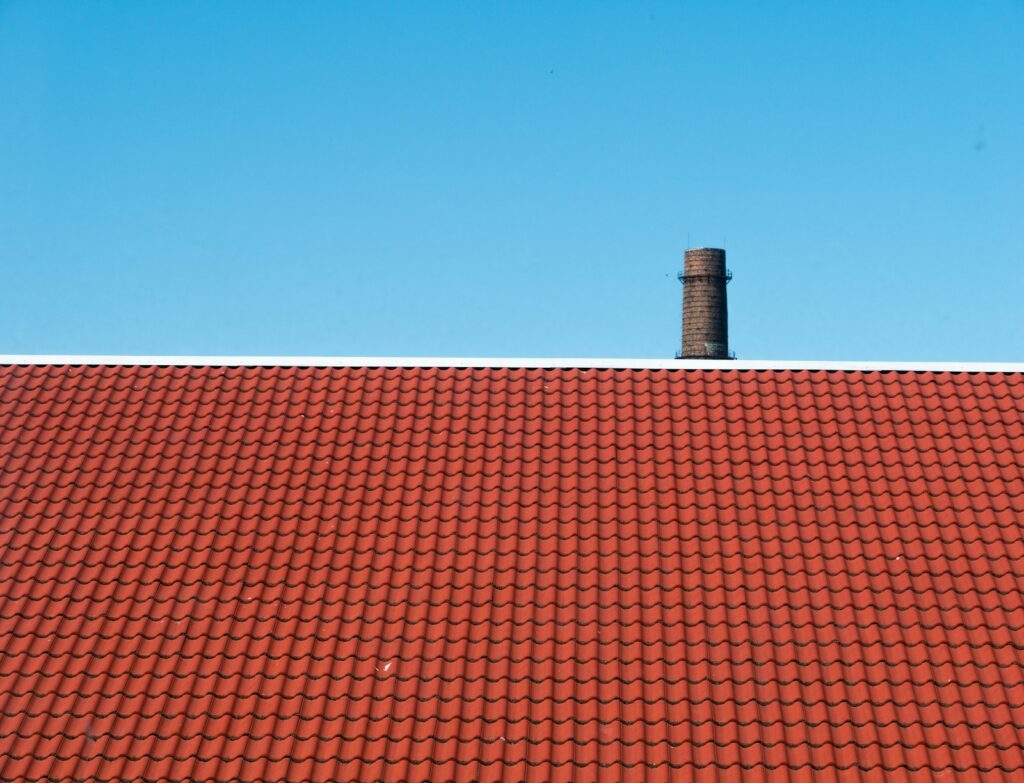
If you’ve never given your chimney a second thought, you’re not alone — most Cleveland homeowners only notice it when there’s a stain spreading across the ceiling or a draft in the living room. But your chimney takes more of a beating from our weather than almost anything else on your home. Freeze-thaw cycles, lake-effect snow, and wind-driven spring storms all work against the mortar, flashing, and masonry year after year.
The good news: most chimney problems are easy to catch early, and catching them early is usually the difference between a modest repair and a full rebuild. Here’s how to tell which one your chimney actually needs.
Why Cleveland’s Climate Is Especially Hard on Chimneys
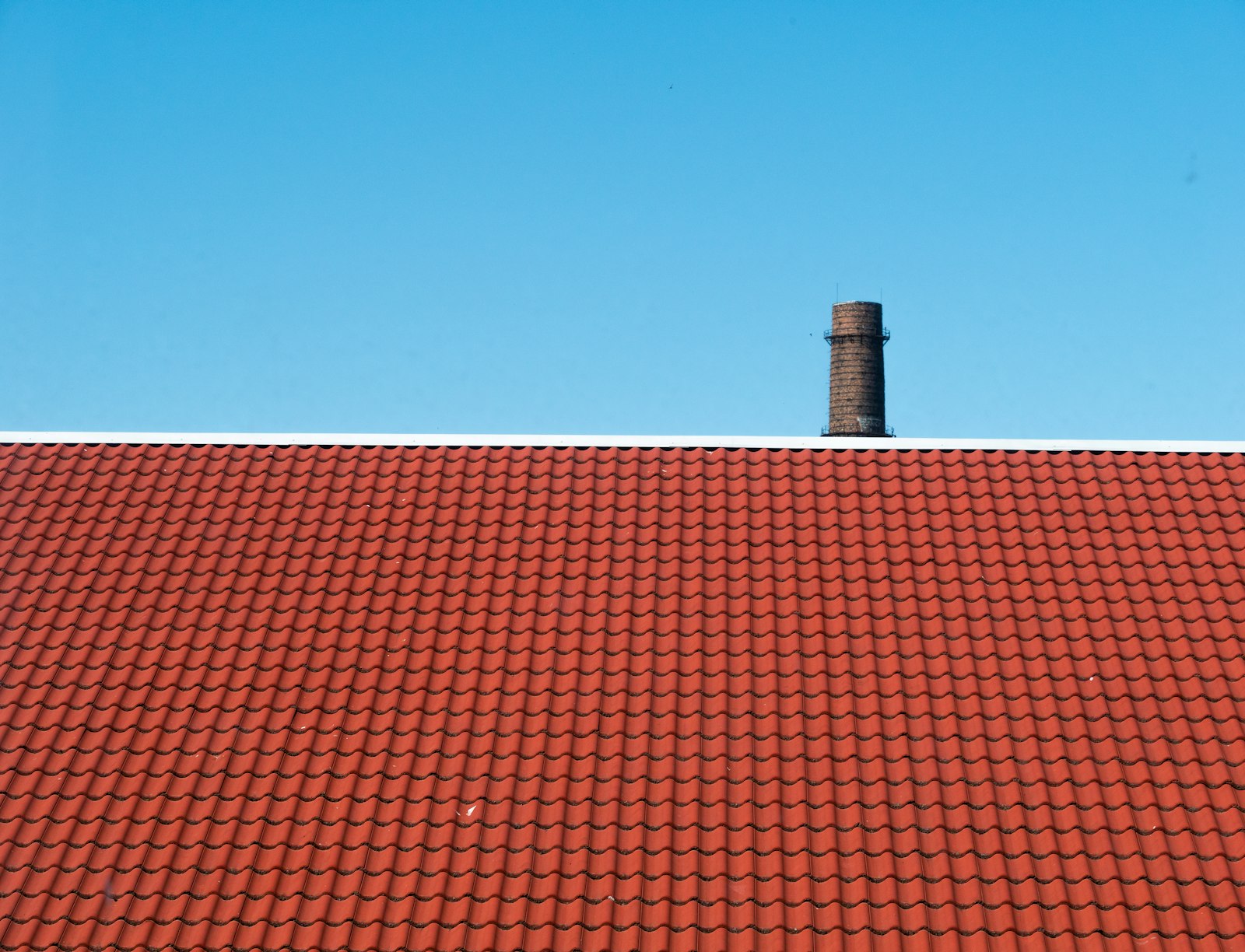
Northeast Ohio chimneys go through dozens of freeze-thaw cycles every winter. Water gets into small cracks in the mortar or brick, freezes, expands, and widens the crack. Repeat that process all winter and small hairline cracks become structural problems within a few years. Add in lake-effect snow load and the wind-driven rain that comes with spring and summer storms off Lake Erie, and it’s easy to see why chimneys here age faster than in milder climates.
7 Warning Signs Your Chimney Needs Attention
Walk around your house and look up at the chimney a couple of times a year, ideally in spring and fall. Here’s what to look for:
- Crumbling or missing mortar (spalling). If you can see gaps between bricks or mortar that’s flaking away, water is getting in.
- White, chalky staining (efflorescence). This powdery residue on the brick means moisture is moving through the masonry and dissolving minerals as it goes.
- Rusted, lifted, or missing flashing. The metal where the chimney meets the roof is the single most common source of chimney-related leaks.
- A leaning chimney or visible gap between the chimney and the house. This can signal a settling or structural issue and should be evaluated quickly.
- Water stains on the ceiling or walls near the chimney. This almost always points to a flashing or crown problem, not a problem inside the flue itself.
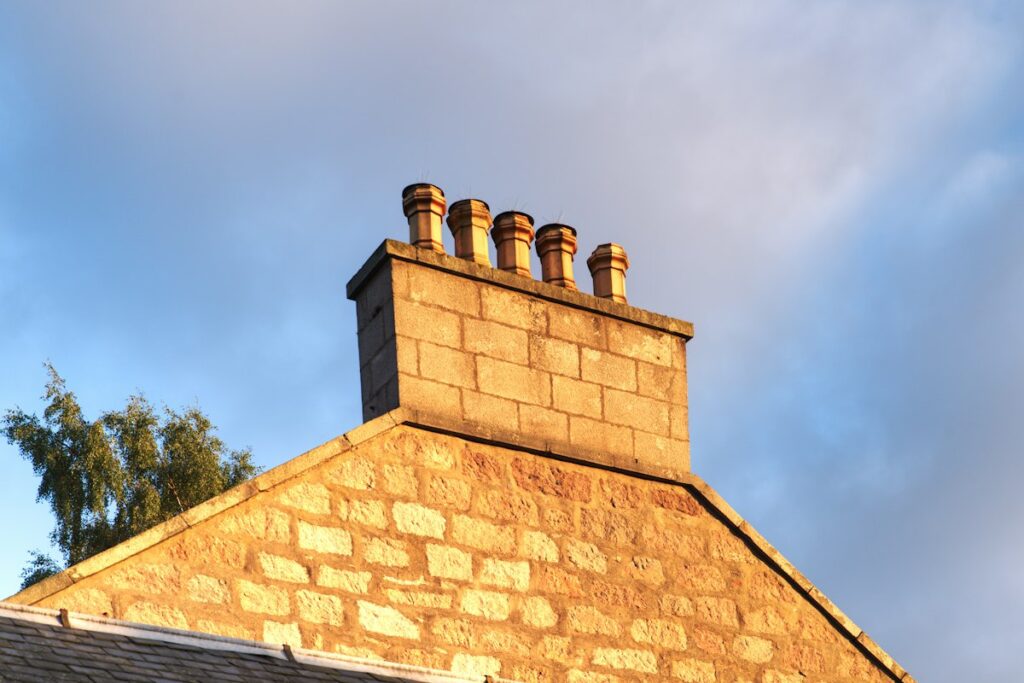
- A cracked or damaged chimney crown or missing cap. The crown sheds water away from the chimney; once it cracks, water has a direct path into the masonry below.
- Bricks that feel loose or shift when touched. This is a sign the structure has been compromised and needs a professional evaluation soon.
Chimney Repair: When It’s the Right Call
Caught early, most chimney issues are repairable rather than a full rebuild. Common repairs include:
- Tuckpointing — removing and replacing damaged mortar joints without touching the brick itself.
- Flashing repair or replacement — resealing or replacing the metal that ties the chimney into the roofline.
- Crown repair — patching or resurfacing the concrete cap on top of the chimney.
- Chimney cap replacement — a relatively inexpensive fix that keeps water, animals, and debris out of the flue.
These repairs are typically far less expensive than a rebuild, which is exactly why we recommend a yearly look at your chimney — small issues are cheap to fix and expensive to ignore.
When Full Chimney Replacement or Rebuild Makes Sense
Replacement or a partial rebuild is usually the right call when:
- The chimney is visibly leaning or separating from the structure of the house.
- Water damage has reached the interior masonry, not just the surface brick.
- The chimney has needed repeated repairs in the same area within a few years.
- You’re already replacing your roof and the chimney flashing and crown are original to a much older roof — it’s often more cost-effective to rebuild while the roof is open than to revisit it again in a few years.
If you’re weighing a full roof replacement alongside chimney work, our guide on roof replacement costs in Cleveland is a good place to start planning your budget.
Chimney Leaks Are Usually Roof Leaks in Disguise
Here’s something most homeowners don’t realize: the majority of “chimney leaks” aren’t coming through the brick at all — they’re coming through the flashing where the chimney meets the roof. Step flashing and counter-flashing are what actually keep water out at that junction, and they’re often the first thing to fail, especially on a roof that’s 15-20+ years old. That’s why we always inspect the roofing around a chimney at the same time as the chimney itself — treating one without the other is how the same leak keeps coming back.
If your chimney damage came from a recent storm, it may also be covered by your homeowners insurance. Our storm damage and insurance claims guide walks through what that process typically looks like.
What a Professional Chimney & Roof Inspection Covers
When ARC Roofing inspects a chimney, we’re checking the crown, flashing, mortar joints, cap, and the surrounding roof deck and shingles — not just the parts visible from the ground. We saw exactly this combination of issues on a recent project in University Heights, where a deteriorating chimney was removed and the surrounding roof section repaired and resealed as one job. You can see how that came together in our chimney tear-down and roof repair project spotlight.
Get a Free Chimney & Roof Inspection in Cleveland
If you’ve noticed any of the warning signs above, don’t wait for a small crack to become a bigger, more expensive problem. ARC Roofing & Home Improvement has been inspecting and repairing chimneys, flashing, and roofs across Northeast Ohio for more than 40 years, and we’ll give you an honest answer on whether you need a repair or a replacement — not just an upsell. Contact us or call (440) 212-2083 to schedule your free inspection.