
If you live anywhere near the Cleveland shoreline — or even a few miles inland — you already know winter here doesn’t play by the same rules as the rest of Ohio. Lake Erie’s “lake effect” can dump a foot of snow on one side of town while the other side barely sees a dusting. For your roof, that kind of concentrated, repeated snowfall is a different kind of stress than an ordinary winter storm, and it’s worth understanding before the first big lake effect band rolls through.
What Makes Lake Effect Snow Different
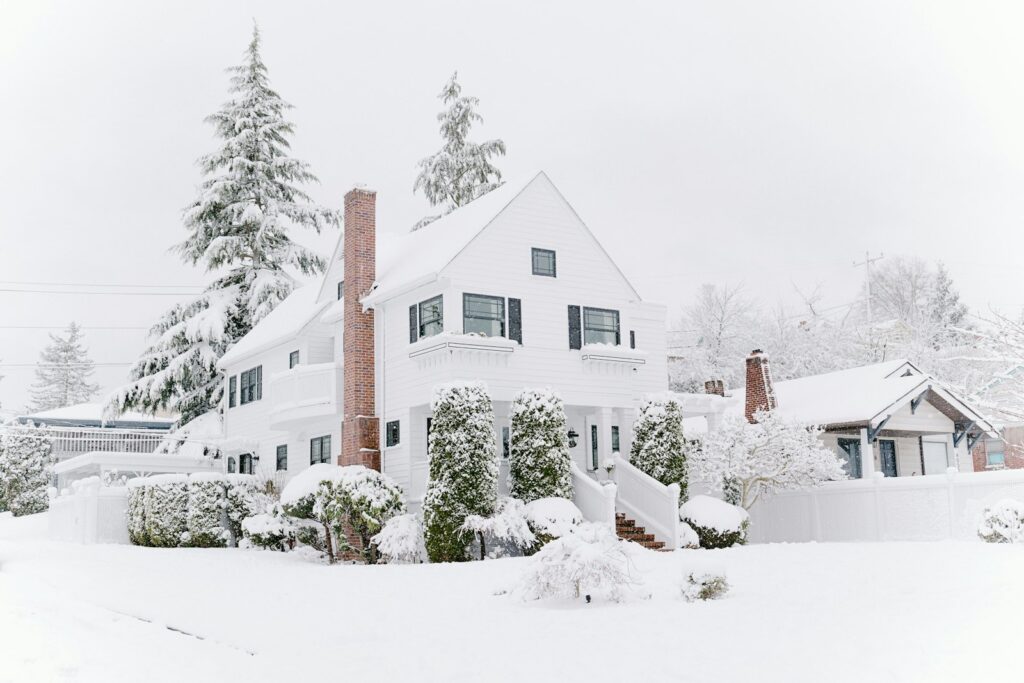
Lake effect snow forms when cold air moves across the relatively warmer water of Lake Erie, picking up moisture and dumping it as snow once it hits land. Unlike a typical frontal snowstorm that passes through and moves on, lake effect bands can stall over the same neighborhoods for hours or even days, burying some streets in two feet of snow while others a few miles away stay nearly clear. For Cleveland-area homeowners, especially those closer to the lakeshore, that means roofs can accumulate snow load much faster — and much more unevenly — than homeowners further south ever have to deal with.
How Lake Effect Snow Stresses Your Roof
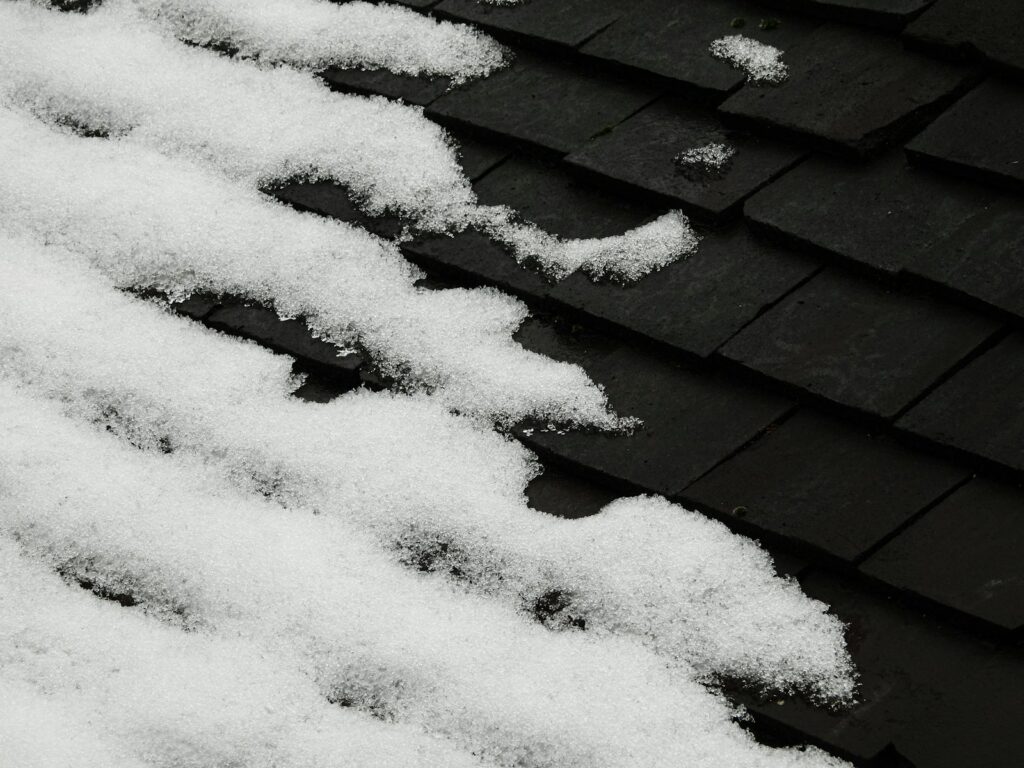
A few inches of fresh, dry snow is rarely a problem. The issue is what happens when snow piles up faster than it can settle or melt off. Wet, heavy snow can weigh several pounds per square foot, and when a lake effect band keeps adding more before the last layer has a chance to compress or slide off, that weight adds up fast across a large roof surface. Most residential roofs are built to handle it, but older roofs, roofs with existing structural wear, or roofs with poor attic ventilation are at higher risk. On top of the weight itself, repeated freeze-thaw cycles from heavy snow sitting on the roof can also contribute to ice damming along the eaves, which brings its own set of problems.
Warning Signs Your Roof Is Struggling
Most roofs handle a normal Cleveland winter without issue, but it’s worth knowing what signals mean you should get a professional opinion sooner rather than later:
- Sagging rooflines — a dip or sag anywhere along the roof, especially after a heavy snow event, is never normal and should be checked immediately.
- Cracking or popping sounds — unusual noises from the attic or ceiling during or after snow accumulation can indicate structural stress.
- Doors and windows that suddenly stick — this can be a sign the structure is shifting slightly under added roof weight.
- Water stains on ceilings or walls — often a sign that melting snow is finding its way in, sometimes related to ice dams at the roof edge.
- Visible ice buildup along the eaves — a classic early warning sign of an ice dam forming.
If you notice any of these, it’s worth having it looked at before the next lake effect event adds more weight on top.
What to Do Before Lake Effect Season Hits
The best time to prepare your roof for lake effect snow is before the first band rolls in, not after. Two things make the biggest difference: clean, functioning gutters and proper attic ventilation. Clogged gutters give snowmelt nowhere to go, which is one of the most common causes of ice dams along Cleveland rooflines — our guide to gutter maintenance in Cleveland walks through what to check before winter sets in. Poor attic ventilation, meanwhile, lets warm air build up under the roof deck, which melts snow unevenly and refreezes it at the colder eaves — exactly the setup that causes ice dams. Our breakdown of attic ventilation and why it matters covers the signs your attic isn’t venting the way it should.
After a Heavy Lake Effect Snow Event
Once a big lake effect band has passed through, it’s worth a quick visual check from the ground: look for obvious sagging, large icicles, or ice buildup along the eaves. Don’t climb onto a snow-covered roof yourself — it’s one of the most common ways homeowners get hurt every winter, and it’s simply not worth the risk. If you see warning signs, or if your roof has gone through several heavy snow events back to back, it’s a good time to have a professional take a look. Ice dams in particular tend to get worse the longer they’re left alone, so catching one early matters — see our full guide on preventing ice dams in Cleveland for what to watch for and how it’s typically resolved.
Why Cleveland Homeowners Work With ARC
We’re based right here in the Cleveland area, so lake effect snow isn’t an abstract weather pattern to us — it’s something we plan for every single winter. ARC Roofing & Home Improvement has helped homeowners across Greater Cleveland prepare their roofs before the snow piles up, and respond quickly when a heavy season puts extra stress on an older or already-weakened roof. If you’re not sure how your roof will hold up this winter, a free roof inspection is the easiest way to find out before the first major lake effect event hits.
Ready to get your roof checked before winter? Contact ARC Roofing & Home Improvement today to schedule your free inspection.