
Cleveland has a reputation for snow, but when it comes to protecting your roof, the vague reputation matters less than the actual numbers. How much does it really snow here? How often? And how much of that is the kind of heavy, sudden accumulation that puts real weight and stress on a roof? The National Weather Service tracks all of this at Cleveland Hopkins International Airport, and the 30-year climate normal (1991–2020) gives us a clear, data-backed picture.
The 30-Year Average: 63.8 Inches a Year
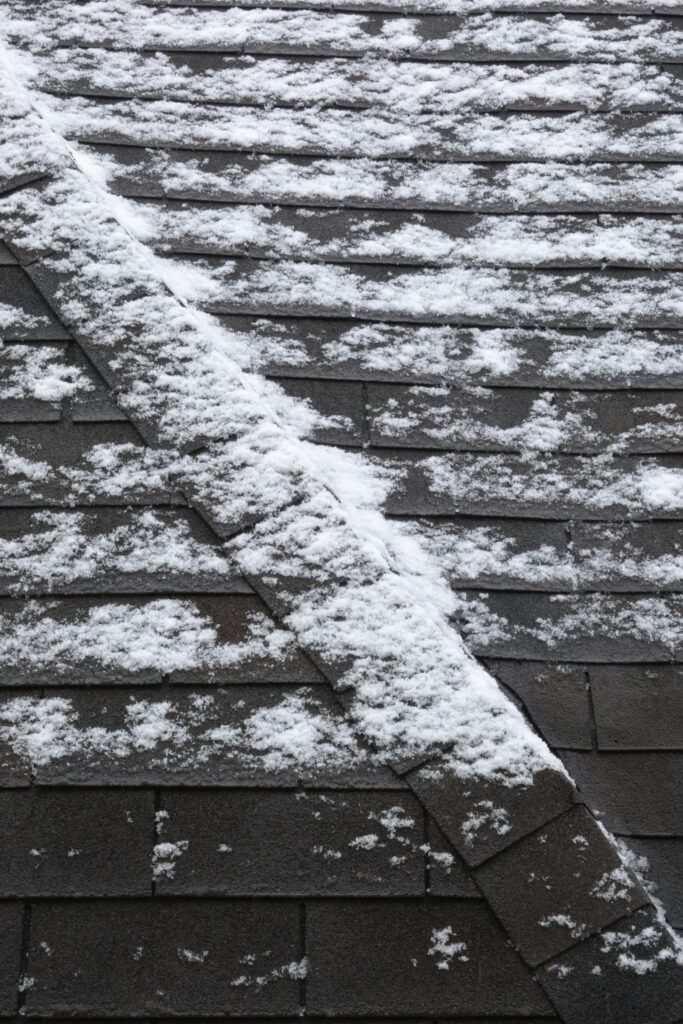
According to NOAA climate normals for 1991–2020, Cleveland receives an average of 63.8 inches of snow per year. That is more than five feet of snow falling on every roof in the area in a typical winter — not all at once, but accumulating storm by storm across a season that usually runs from November through April.
January Is the Real Snow Month
Snowfall isn’t spread evenly across the winter. Here’s the monthly breakdown homeowners should actually plan around:
- January: 18.4 inches (the snowiest month by far)
- February: 15.1 inches
- December: 12.2 inches
- March: 10.8 inches
- November: 4.5 inches
In other words, roughly half of Cleveland’s entire season’s snowfall lands in just two months — January and February — which is exactly when a roof that’s already carrying weeks of accumulation is most vulnerable to a new storm piling on top of it.
How Often Does It Actually Snow?
Cleveland averages 45.8 days a year with measurable snowfall (at least 0.1 inch), and the ground holds at least an inch of snow for about 51.7 days a year. On average, 3.3 days a year see at least 10 inches sitting on the ground at once — a load that stays on the roof for days or weeks until it melts or is cleared.
The Storms That Matter for Your Roof
Most snow days are minor. The ones that matter structurally are the bigger single-day events. Cleveland averages about 2.5 days a year with 5 or more inches of new snow in a single day — storms that happen roughly two or three times per winter — and about 1 day every five years with 10 or more inches in a day. Those are the events most likely to stress an aging roof, especially one that already has ice damming or drainage issues. If you’re unsure how much weight your roof can safely carry, our Cleveland snow load guide breaks down the warning signs, and our guide to lake effect snow explains why some storms dump far more than the forecast suggests.
Some Winters Are Much Worse Than Others
The 30-year average hides a lot of year-to-year variation. In a quarter of all years, January brings more than 23.8 inches of snow on its own; in another quarter, it brings less than 11.6 inches. February swings between over 19.8 inches in heavy years and under 7.8 inches in light ones. Even a “light” Cleveland winter is still delivering a meaningful amount of snow — there is no year where a roof gets a complete pass.
What This Means for Cleveland Homeowners
With an average of 45.8 snow days, 63.8 inches of total accumulation, and a handful of 5-inch-plus storms every single winter, Cleveland roofs are doing real structural work for close to six months of the year. A roof inspection before winter sets in — checking flashing, drainage, and overall condition — is the cheapest insurance you can buy against a January or February storm finding a weak spot. Contact ARC Roofing & Home Improvement for a free roof inspection before the heavy snow arrives.
Data source: NOAA NCEI Climate Normals (1991–2020), Cleveland Hopkins International Airport.