
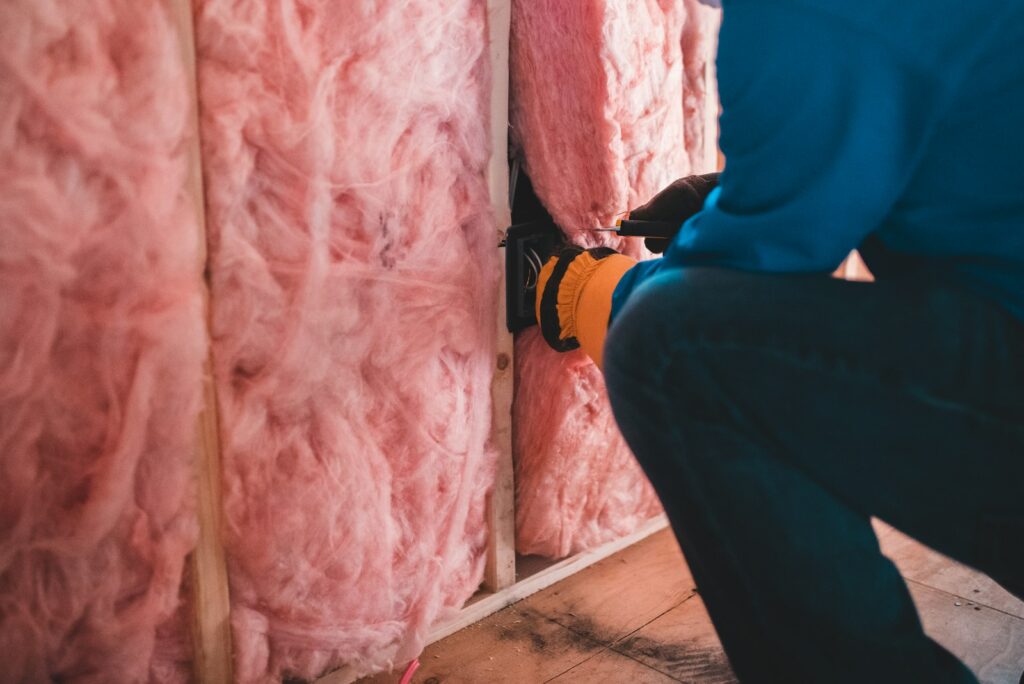
If your heating bill climbs every January and February, the culprit is often sitting right above your head. According to the U.S. Environmental Protection Agency’s ENERGY STAR program, 9 out of 10 homes in the United States are under-insulated — meaning most homeowners are paying to heat and cool air that is leaking straight out through the attic. Here’s what the EPA’s data says about what that actually costs, and what fixing it is worth.
Most Homes Are Leaving Money on the Table
Attics are one of the biggest sources of energy loss in an average home. Warm air rises, and in an under-insulated or poorly air-sealed attic, that heat escapes through the roof instead of staying in your living space — which means your furnace runs longer and harder to keep up, all winter long.
What Air Sealing and Insulation Actually Save You
The EPA has put real numbers on the savings. According to ENERGY STAR:
- Homeowners can save an average of 15% on heating and cooling costs by air sealing their homes and adding insulation in attics, floors over crawl spaces, and basements.
- That translates to an average of 11% savings on total energy costs — not just heating and cooling, but the whole energy bill.
- Tackling air sealing and insulation together can save homeowners up to 10% on their annual energy bills.
None of this requires a major renovation. In most homes, it means sealing gaps and cracks where air leaks in or out, then bringing attic insulation up to a modern recommended level — a project that typically pays for itself within a few winters through lower utility bills.
Why This Matters More in a Cleveland Winter
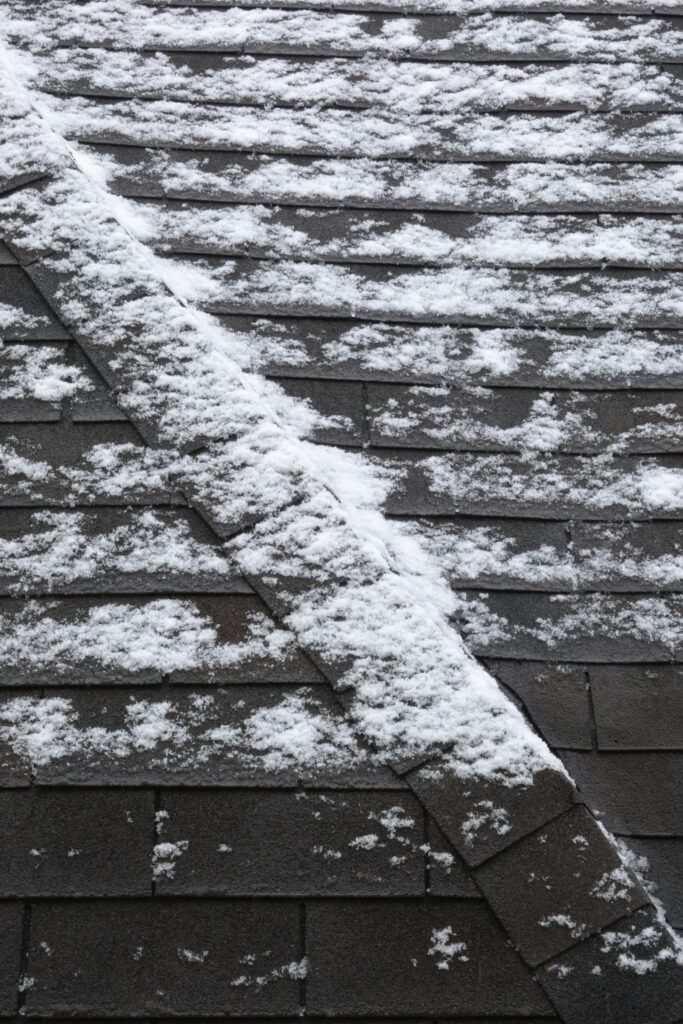
Cleveland averages 63.8 inches of snow and a winter season that runs from November through April — which means furnaces here work harder, for longer, than in most of the country. An under-insulated attic doesn’t just raise your heating bill during that stretch; it can also contribute to uneven roof snowmelt and ice damming, since heat escaping into the attic warms the roof deck unevenly and causes snow to melt and refreeze at the eaves. (For more on how much snow Cleveland actually gets each winter, see our Cleveland snowfall data breakdown, and for why some storms hit harder than forecast, our guide to lake effect snow.)
What This Means for Your Home
With 9 out of 10 homes under-insulated, there’s a very good chance yours is one of them — especially if your home was built before modern insulation standards were common, which describes a large share of homes in the Cleveland area. A quick attic inspection can tell you whether you’re losing money through the roof, and whether air sealing and insulation upgrades would pay for themselves in time for next winter. Contact ARC Roofing & Home Improvement to schedule an inspection.
Data source: U.S. Environmental Protection Agency, ENERGY STAR program (“Why Seal and Insulate?”).