
Your roof usually gets the attention when winter weather hits Cleveland, but siding takes a beating too — and damage there is easy to miss until it’s already let moisture or cold air into your home. Freeze-thaw cycles, wind-driven snow, and temperature swings all put extra stress on siding materials, and knowing what to watch for now can save you a bigger repair bill come spring.
Why Winter Is Hard on Siding
Siding expands and contracts with temperature changes, and Cleveland’s winters are full of exactly the kind of swings that stress it most — a mild afternoon followed by a hard overnight freeze, repeated again and again across the season. That constant movement can loosen fasteners, widen small cracks, and make already-brittle material more likely to crack on impact from wind-blown debris, ice, or snow sliding off the roof above.
Warning Signs of Winter Siding Damage
- Cracks or splits in panels. Vinyl siding becomes more brittle in cold temperatures and can crack from impacts that wouldn’t cause damage in warmer weather.
- Warping or buckling. Panels that look wavy or no longer sit flush against the house are often reacting to repeated expansion and contraction.
- Gaps or loose panels. Siding that’s pulled away from the house, even slightly, can let cold air and moisture behind it.
- Staining or discoloration near the ground. This can signal that melting snow is sitting against the siding longer than it should, which is worth investigating.
- Missing or displaced pieces after a windy storm. Even one missing section exposes the wall behind it to the elements.
Which Siding Materials Are Most at Risk
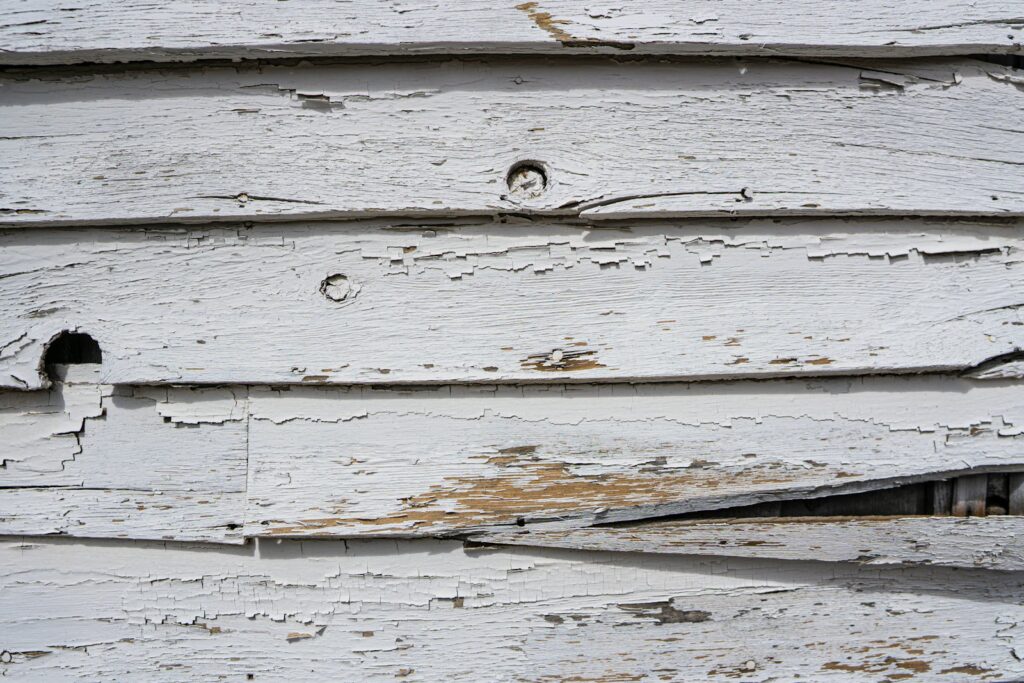
Not all siding handles Cleveland winters the same way. Vinyl is affordable and low-maintenance, but it’s more prone to cracking in extreme cold than sturdier materials. Wood siding can be at risk for moisture absorption and rot if small cracks or gaps go unaddressed through a wet winter. Fiber cement tends to hold up better against temperature swings, which is part of why we cover the differences in our guide to vinyl vs. fiber cement siding for Cleveland weather.
What to Do If You Spot Damage This Winter
Small cracks and gaps rarely fix themselves, and leaving them through the rest of winter usually means more moisture intrusion by the time spring arrives. If you’re noticing a few of the warning signs above, it’s worth having someone take a look to determine whether a simple repair will do or whether it’s a sign your siding is nearing the end of its useful life — our guide on signs it’s time for siding replacement walks through how to tell the difference, and our siding replacement cost guide can help you plan if a bigger project turns out to be the right call.
Why Cleveland Homeowners Work With ARC
ARC Roofing & Home Improvement handles siding repair and replacement alongside roofing, so we’re used to spotting problems that start at the roofline and work their way down the wall. If you’ve noticed cracks, gaps, or damage on your siding this winter, we’re happy to take a look before it gets worse.
Noticed siding damage this winter? Contact ARC Roofing & Home Improvement for a free evaluation.